Whiteboard wiping
Misgrasping · residual ink · sticking · missed release
*Equal contribution.
†Corresponding authors.
1School of Information Science and Technology, ShanghaiTech University, Shanghai, China. {zhangr12023, liuxsh2025, daijzh2023, wukf, qinxh2024, quyr, xiaochx}@shanghaitech.edu.cn
2State Key Laboratory of General Artificial Intelligence, Beijing Institute for General Artificial Intelligence (BIGAI), Beijing, China. {liwanlin, jiaoziyuan}@bigai.ai
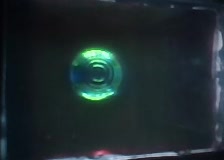
Optical response during the recorded loading sequence.
Qualitative optical response in a cropped tactile ROI. This footage is not a force or pressure calibration.
Qualitative optical response from a cropped camera ROI. This video is not a force calibration, and no force, pressure or response-time measurement is inferred from it. Color changes are not reconstructed physical height, depth or pressure.
Contact appearance
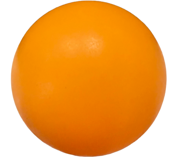
Individual object photographs paired with their recorded tactile images.
 Raw tactile image
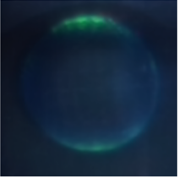
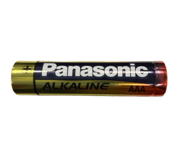 Raw tactile image
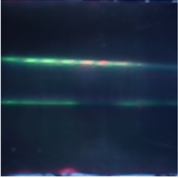
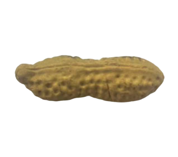 Raw tactile image
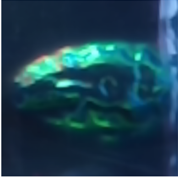
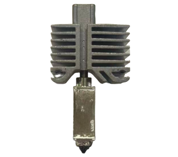 Raw tactile image
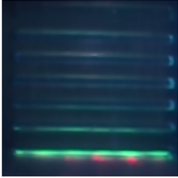
 Raw tactile image
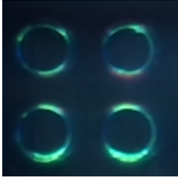
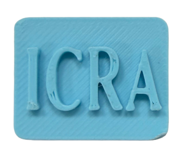 Raw tactile image
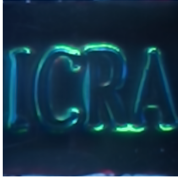
 Raw tactile image
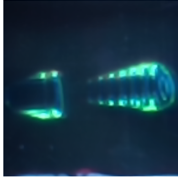
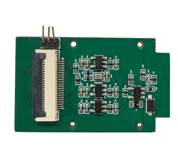 Raw tactile image
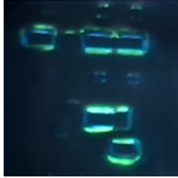
Individual images extracted from the latest locally available source figure, without manuscript panel letters. Tactile images show optical appearance, not calibrated depth, force or pressure.
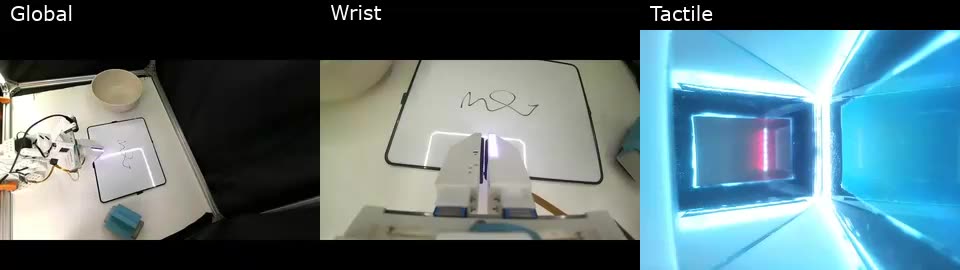
Real-world demonstrations of whiteboard wiping and test-tube insertion, including perturbed insertion.
Successes / 30 trials per task. Selected systems are shown; complete source counts remain available in the downloadable data.
| Policy / tactile input | Whiteboard Wiping | Test-Tube Insertion | Perturbed Test-Tube Insertion | Overall |
|---|---|---|---|---|
| Vision-only | 19/30 (63.3%) | 9/30 (30.0%) | 1/30 (3.3%) | 29/90 (32.2%) |
| Marker-based Wedge RGB | 23/30 (76.7%) | 21/30 (70.0%) | 13/30 (43.3%) | 57/90 (63.3%) |
| PCTac RGB | 22/30 (73.3%) | 25/30 (83.3%) | 13/30 (43.3%) | 60/90 (66.7%) |
| PCTac Hue | 24/30 (80.0%) | 28/30 (93.3%) | 16/30 (53.3%) | 68/90 (75.6%) |
Failure modes remain part of the record, alongside selected demonstrations.
Misgrasping · residual ink · sticking · missed release
Misgrasping · slipping · wedging · misinsertion
Misgrasping · stalling · sticking · overstretching
PCTac observes a continuous structural-color field at a photonic-crystal fingertip. Contact-induced appearance changes are represented as reference-relative circular Hue, without interpreting them as calibrated force or pressure. Tactile observations, external RGB views and robot state are combined in a robot-learning system.
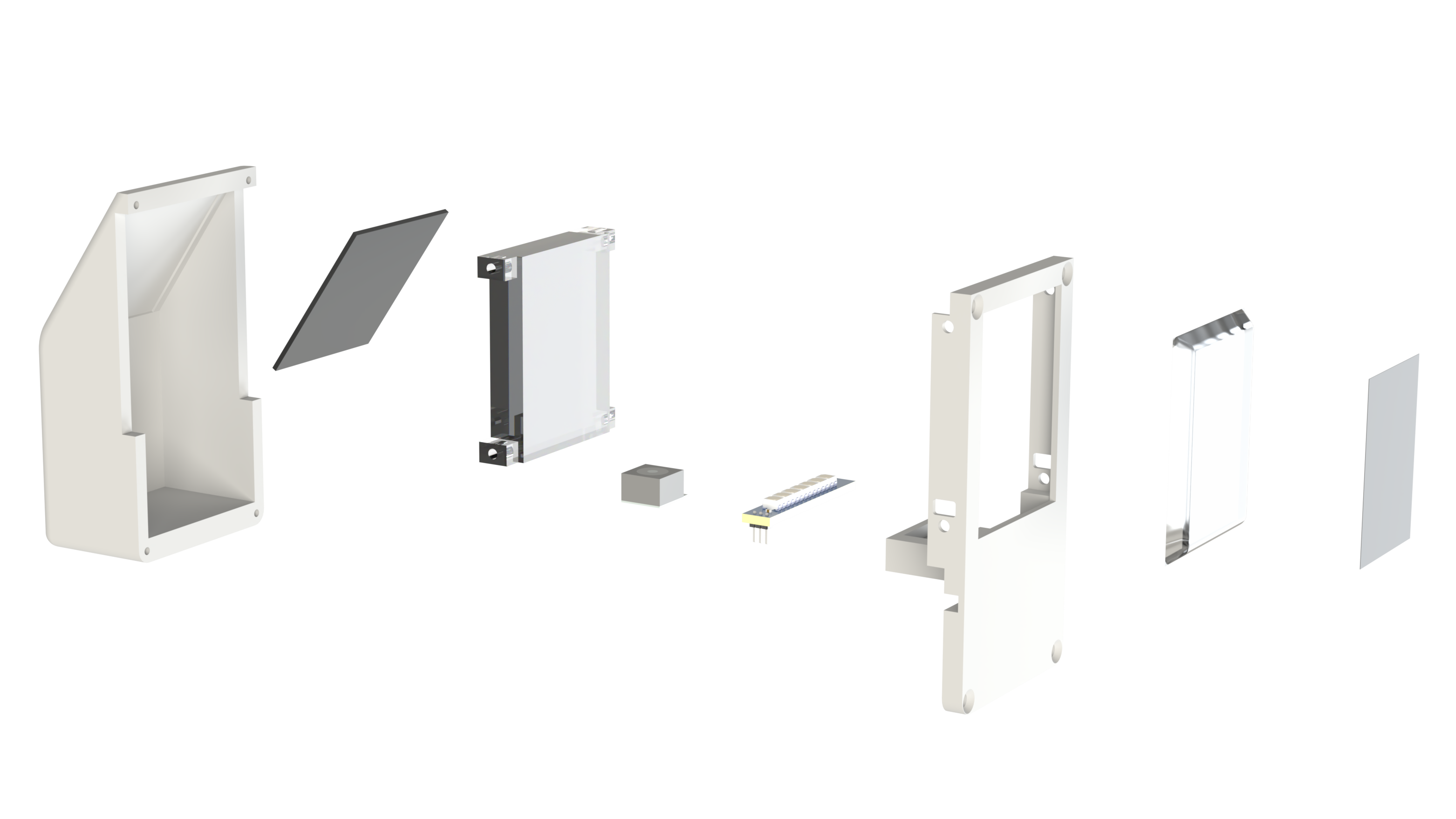
The fingertip combines a photonic-crystal contact layer, internal white illumination and a folded optical path. One fingertip carries the sensor; the opposing contact surface is passive.